The Edinburgh Fringe shows I keep recommending
Every August, people ask me what they should see at the Edinburgh Fringe, which is flattering because it assumes I possess either a complete working knowledge of several thousand shows or that my opinions on comedy are valuable. I can only tell you what I like, and comedy is massively subjective – but with a view to helping you navigate the wilderness even a tiny bit, here are some things I won’t be missing.
Full disclosure - Some are people I have gigged with, some are acts I have followed for years, some are my friends, and one of them is technically my spouse. But I’ve been a comedy fan since I was a teenager – I listened to full show CDs like some people listend to the Backstreet Boys, I have the qualifications to know what’s good objectively.
The Alternative Comedy Memorial Society
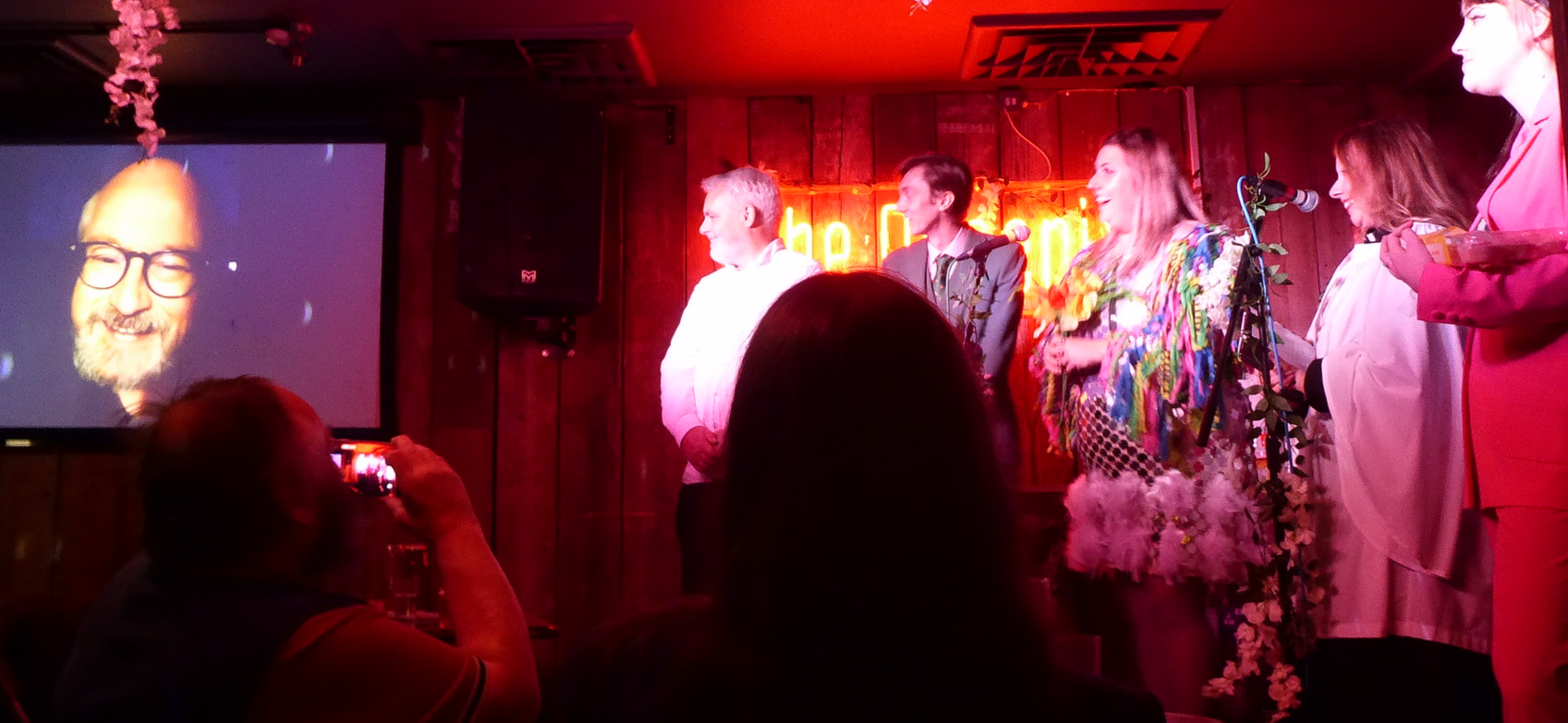
My relationship with the Alternative Comedy Memorial Society began with my first ever stand-up gig and escalated, as these things often do (right?), into marriage.
ACMS began as a regular London night offering comedians a place to attempt work that might be too experimental, impractical or heroically ill-advised for a conventional comedy club. The Edinburgh version is a late-night gathering built around comic experimentation, permitted heckles and the principle of noble failure, with a changing collection of guests attempting things which may never be performed again. This year’s official listing promises more than two hours of “comedic enterprise, dancing and frolicking”, which is more administratively precise than anything I could add.
I did my first gig with ACMS and returned to celebrate my 100th, where I was presented with a commemorative ring. I took this, entirely reasonably, as an engagement request and we subsequently held a wedding, possibly making me the first comedian to marry a comedy night. We’re very happy together.
I go to the Edinburgh shows every year because ACMS embodies the thing I love most about the Fringe; the possibility of seeing an idea before anybody knows whether it works. Sometimes the experiment goes spectacularly wrong, but the room understands that an ambitious failure can be much more entertaining than somebody safely delivering the same seven minutes they have been doing since 2019. At its best, you see the beginning of something that may eventually become a complete show. At its other best, you see something that should never happen again and feel enormously privileged to have seen it the one time it did. Over the years I’ve tried many things, including a dramatic reading of Akon’s Wikipedia page, set to a choir (go and check it out), and being a human jukebox singing songs requested by the audience, whether I knew them or not. It’s liberating, it’s wonderful, it’s like nothing else on earth. Thom Tuck and Isabelle Adam curate something truly special.
HOW TO FRINGE: a chat show with Thom Tuck
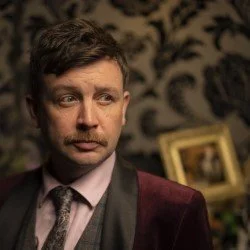
ACMS adjacent, we have Thom Tuck’s new show. The Fringe has a peculiar ability to make you feel you are missing everything, even while you are actively watching something. You can emerge from a brilliant show feeling completely satisfied, only for somebody outside to tell you that a man dressed as a gorilla has just transformed the art form in a room two miles away.
Thom Tuck’s HOW TO FRINGE is a chat show about the festival itself, bringing together guests from different corners of Edinburgh, including comics, producers, actors and reviewers. The official description promises recommendations, gossip and a pot of coffee for the first few people through the door, making it both an entertaining hour and one of the few Fringe shows to acknowledge that audiences may have been awake since yesterday.
I love the premise because the best Fringe recommendations rarely come from a list compiled before the festival has begun. They come from people who have been sitting in small rooms, talking to performers and discovering what is unexpectedly working.
Thom Tuck is a fringe legend – a brilliant comedian and actor, a raconteur and a gorgeous mentor to the newly initiated. He is himself an Edinburgh institution and it’s worth seeing everything he’s in. His every-10-year project, Scaramouche Jones, transported me to the point that I forgot he was Thom Tuck and forgot I was in a yurt for an hour – in an era of second screening and constant stimulation, this is a rare and precious gift.
101 Rules for a Better World (by Comedians)
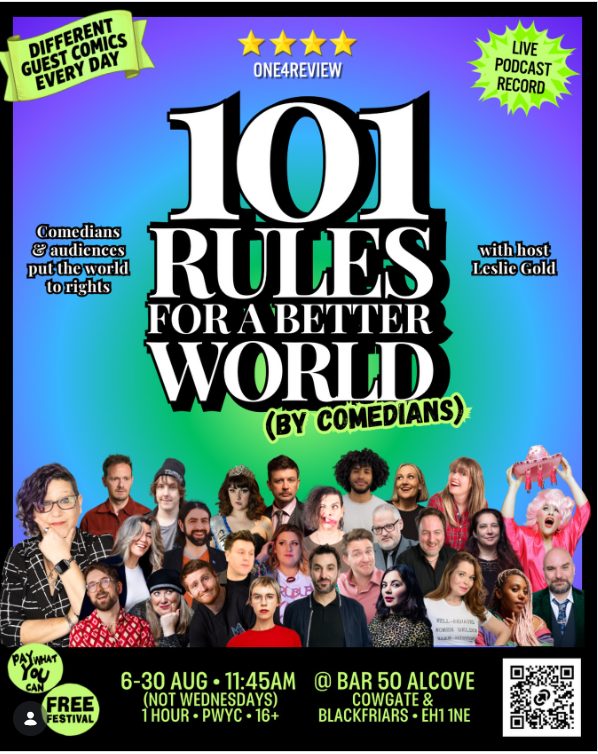
I have a real weakness for panel shows which take a fundamentally ridiculous proposition and administer it seriously, so 101 Rules for a Better World (by Comedians) is very much made for me.
Hosted by the effervescent Leslie Gold with Producer Nick Kirk, the show invites a rotating panel of comedians to propose rules which might improve the world, before the audience votes on whether each one should be adopted. It is now both a live show and a podcast, and previous guests have included Mark Thomas, Bec Hill, Rosie Holt and Alasdair Beckett-King (and me – currently holding a flawless all-laws-passed record, not that I’m showing off. Okay I’m showing off)
The format works so well because almost everybody believes they possess at least one simple idea which would fix society, from major constitutional reform to making people who want cocktails queue separately at the bar. Giving comedians the opportunity to defend those instincts before an audience is exactly the kind of structured chaos I want from a Fringe panel show. You may not leave with a workable blueprint for a better civilisation, but you will almost certainly find yourself continuing the argument afterwards.
Aaagony Aunts
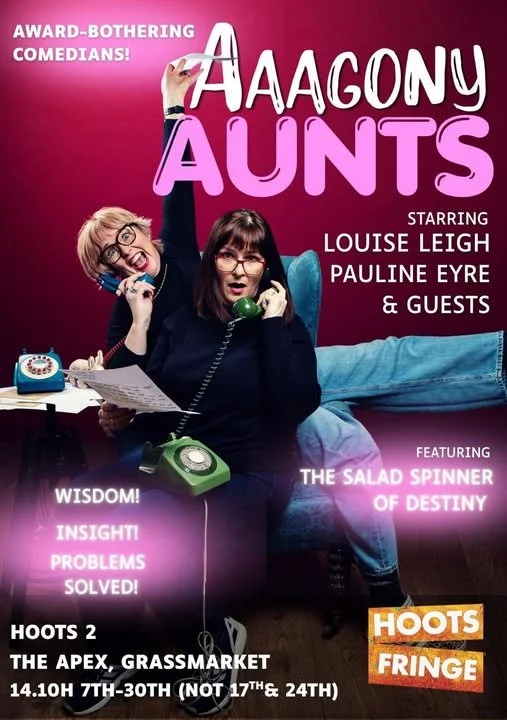
Louise Leigh and Pauline Eyre’s Aaagony Aunts is another excellent example of comedians building a proper format rather than placing four chairs on a stage and hoping chemistry will cover the rest.
The pair invite guest comedians to bring them genuine problems, which are then examined with help from the audience, a selection of kitchen utensils and the Salad Spinner of Destiny. The official promise is to make the world better “one spatula, one messed-up comedian, at a time”, which explains both the ambition and the available resources.
I love the idea of treating comedians as people who should be giving life advice, despite the considerable body of evidence available against that at almost every festival bar, and by virtue of our continued insistence to go to Edinburgh Fringe in the face of ever decreasing returns. More importantly, it creates the possibility of a genuinely different show each day, driven by the particular guest and whatever has gone wrong in their life recently, so you get to see a different side of comedians, even the ones you know well. At the Fringe, that should provide a nearly inexhaustible supply of material.
Marc Burrows in The Ten Best Songs of All Time
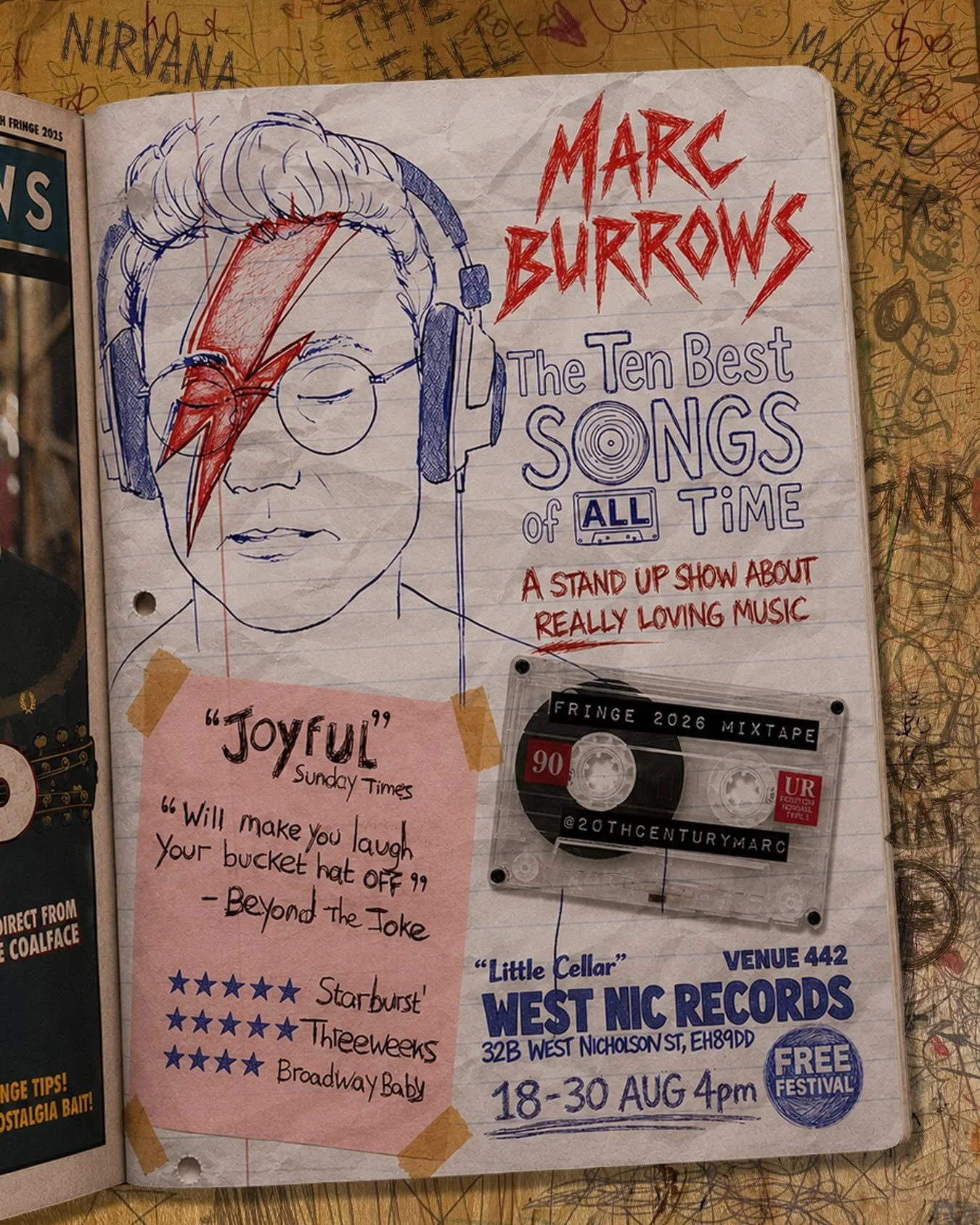
Marc Burrows and I have done several shows together during the run-up to Edinburgh, and he is one of the people I recommend whenever somebody wants clever comedy, that doesn’t require you to work hour. The hour shows flash by in minutes - and in every concept show I’ve seen, you learn something about the subject, the man, and, quite often, yourself. It’s an impressive triple threat.
Marc is one of my best friends now, but the first time we met was at a Work in progress he was doing in Kings Cross in 2017 before I was even doing comedy – I loved his articulate, autobiographical hour, even in its earliest form and over the next near decade he’s got better and better.
His new show, The Ten Best Songs of All Time, sets out to produce an authoritative countdown of the greatest records ever made, while openly conceding that the final selection will almost certainly be subjective and open to argument. This isn’t even the first time he’s done this show, and the list has changed since he last did it. It is described as a show about music, memory and the songs which acquire far more emotional significance than any three-and-a-half-minute recording should reasonably be expected to carry.
Marc is a music journalist and author as well as a comedian, so the research is real, but it never feels like somebody has trapped you inside an unusually lively lecture. His work is warm, accessible and powered by genuine enthusiasm for the subject. It is also an excellent choice for anybody who enjoys leaving a show with both jokes and nostalgia that kicks you back decades and gets you revisiting your playlists for lost gold. Look out for his influence on CPO, it’s most definitely there.
Hannah Platt: Cult Classic
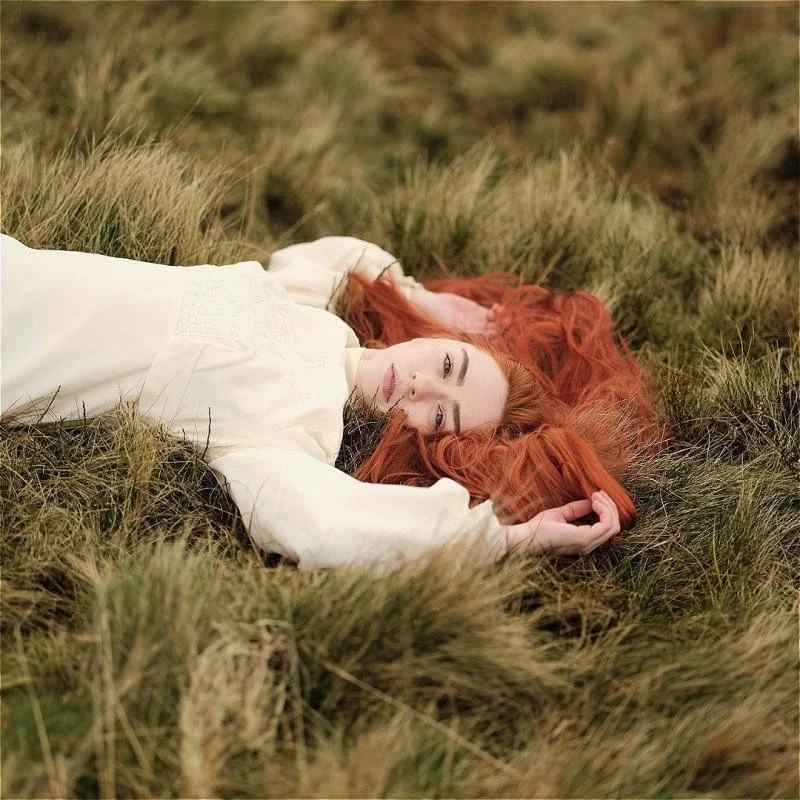
I have been luck enough to have shared work-in-progress bills with Hannah Platt this year and every time I watch her, I enjoy a new element of what she’s been building. Hannah can take difficult, personal material and turn it into comedy without sanding away the parts that made it difficult in the first place, which is a considerably harder task than simply adding a jaunty callback to childhood trauma and hoping nobody notices.
Her new show, Cult Classic, follows her multi-award-nominated debut and uses the language of cults, online belonging and personal sacrifice, what it really takes to start a movement people are willing to die for, and has she maybe already done enough?
Hannah is already moving beyond hidden-gem territory. The point is not that nobody has heard of her, it’s that more people certainly can hear about her as she is exceptionally good and, should you see her now, and still enjoy the brief period before mentioning her starts sounding like you are simply listing famous comedians, rather than genuinely being ahead of the curve.
Andrew O’Neill
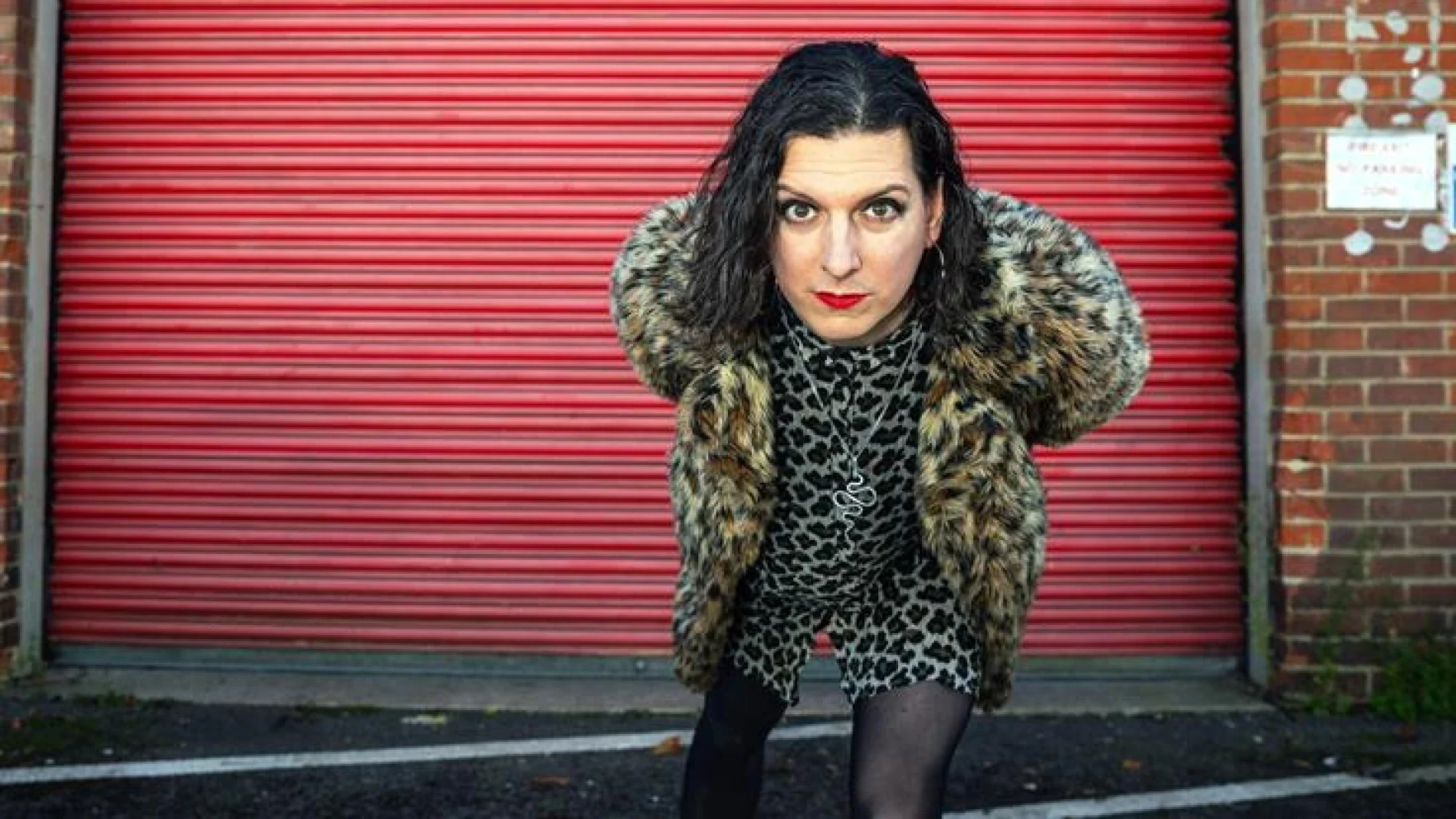
Andrew O’Neill is bringing both A Short, Aggressive Lecture on Krill. Then Jokes and Andrew O’Neill’s History of Punk to Edinburgh, which gives you some indication of the available range before I have attempted to explain any of it. The former is listed as absurdist stand-up, while the latter is a full-volume journey through punk history. They do both with style, grace and perfect execution. I always leave their shows wanting to be better at comedy, and to put the work in to get there.
A lot of Fringe descriptions promise something unique, often immediately after describing a perfectly conventional stand-up show about dating apps. Andrew genuinely delivers work that nobody else would make, which is a distinction worth protecting. I am a huge fan.
Sean Morley: Backchannel
Sean Morley is one of the acts I have been watching for a while, as I’m living in Sheffield and he is a star on the local circuit
His 2026 show, Backchannel, is categorised as multimedia and interactive, although even the official listing eventually admits that his work “defies any sort of description”. That is not a failure of marketing so much as a fairly accurate warning that Sean’s comedy operates according to its own internal technology.
He is surreal, meticulous and able to create the sensation that an entire elaborate system has been built solely to produce a joke which could not have existed by any simpler route. This is exactly the kind of act I go to Edinburgh hoping to find; not merely somebody delivering strong material, but somebody quietly interfering with the accepted idea of what a comedy show is.
Rob Kemp
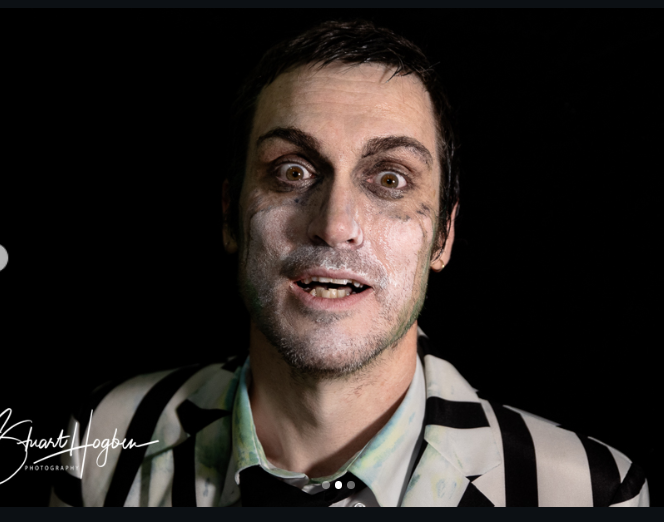
Rob Kemp is best known for The Elvis Dead, his deservedly celebrated retelling of The Evil Dead II through the songs of Elvis Presley. It is one of the great Fringe premises and a show whose reputation has continued long beyond its original run. It’s a riot and I’ll see it whenever I can to remind myself comedy can be anything you want.
I loved his later show, Agenda as much. I saw it at an early work-in-progress stage and even in that early iteration, it had enormous heart, made me laugh and also made me cry; Rob Kemp held the audience in an intimacy that could have felt too much in the wrong hands – but he managed it perfectly.
Beatlesjuice, as the title gives away, is more like the first show than the second but Rob has a proven ability to begin with a title which sounds like somebody has made a joke in a pub, then commit to it with enough imagination and craft to build an entire world. I’ll see anything he does frankly.
Forgotten by Richard Wright
My wildcard this year is not stand-up at all, but Forgotten, a new one-act play written and directed by Richard Wright, the man behind Pegasus Comedy London, one of the nicest new material nights in town with a revolving door of established comics alongside up and comers.
The play is set in a world where creativity meets bureaucracy and asks what happens to stories when they can no longer be told. It is Richard’s first play as a writer and director, which makes it exactly the kind of Fringe gamble I enjoy: somebody known and established for one thing stepping outside the form people know them for to attempt something properly ambitious.
I spend so much of August immersed in comedy that deliberately booking one piece of theatre feels almost like a wellness intervention. I am particularly interested in this because the premise deals with memory, storytelling and what gets preserved, subjects which are not a million miles from my own fascination with the strange ways history selects its heroes and grudges. It is also a fantastic cast list.
Nate Kitch
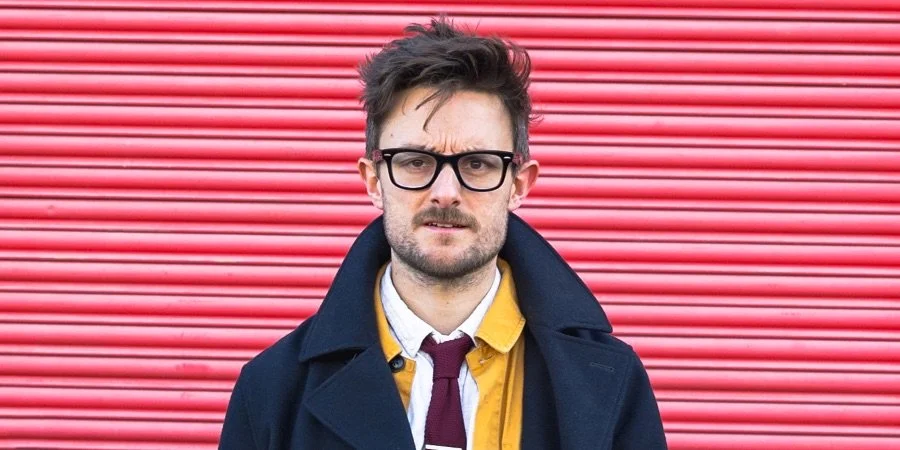
One of the unexpected pleasures of spending so much time on the comedy circuit is spotting people whose brains seem to be wired slightly differently. You don't necessarily know exactly where their career is going to go, but you know it’ll be good.
That's how I felt the first time I saw Nate Kitch.
What I love about his work is that it constantly wrongfoots me. Just when I think I've worked out where a routine is heading, he'll find a completely different route to the punchline, and it's that sense of surprise that keeps me coming back. Comedy doesn't always need to reinvent the wheel, but I do get excited by people who remember it's allowed to.
His show got deservedly great reviews and packed out rooms last year, so don’t sleep on getting tickets for him.
While we're on the subject of people whose brains seem to be wired at an interesting angle, I'd also point you towards Stephen Catling. His show is gloriously surreal in exactly the way the Fringe should be - the sort of hour where you stop trying to predict what's coming next and simply enjoy the ride. If your Edinburgh usually consists of back-to-back stand-up, I'd really encourage you to throw one or two shows like Stephen's into the mix. They're often the ones you remember longest.
It also gives me an excuse to mention what Hoots are building in their stable of venue. Their new Nicolson Square hub has been designed very deliberately around artists who want to do something a bit different, expanding on the alternative ethos they developed at Potterrow with six performance spaces, including the geodome, and a programme that leans towards inventive, left-field work rather than simply chasing the biggest names. They're refreshingly open about wanting to create an artist-driven Fringe that's both more affordable and more rewarding for performers, and I really hope audiences reward that by taking a chance on something they might not otherwise have booked.
Anything by Queer Comedy Club
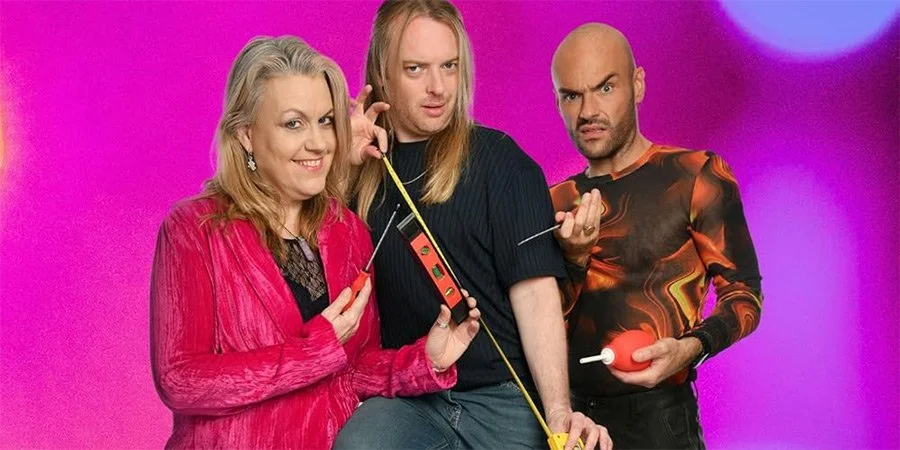
I’d also make time for the Queer Comedy Club’s shows at Gilded Balloon, because they always manage to combine properly high production values and a huge amount of fun with a genuine platform for queer performers at every stage, from newer acts finding their feet to major international names. Best of the Queer Fringe has a different mixed bill every night and has previously welcomed comics including Caroline Rhea, Sarah Keyworth, Reuben Kaye and Jessica Fostekew, so it is fantastic value if you want to discover several acts in one go. Their other 2026 show, Married at Fringe Sight, is an interactive crowd-work format where the hosts create three couples from the audience, everyone votes for their favourite and the winners are married before the hour is over, which feels like an admirably efficient response to the modern dating crisis.
In previous years they have also taken Gag Race, an audience-scored stand-up competition, to Edinburgh, which gives you a sense of how much thought they put into creating actual formats rather than simply assembling another bill. The whole operation feels welcoming, inclusive and joyfully ambitious, while giving a remarkable number of queer acts access to a bigger stage. Some big names had breaks with them in their London club and owe a lot of their polish to the practice time they were given (as well as smaller names, like me)
David Ian, Kate Dale and Jeremy Topp also get a best supporting comedian award for the community they create around the events as well. They’re some of the kindest, coolest people and if you get the chance to go for a drink with their glorious gaggle, go for it. They are the best night out in town.
Sarah Hester Ross – Serving C*nt
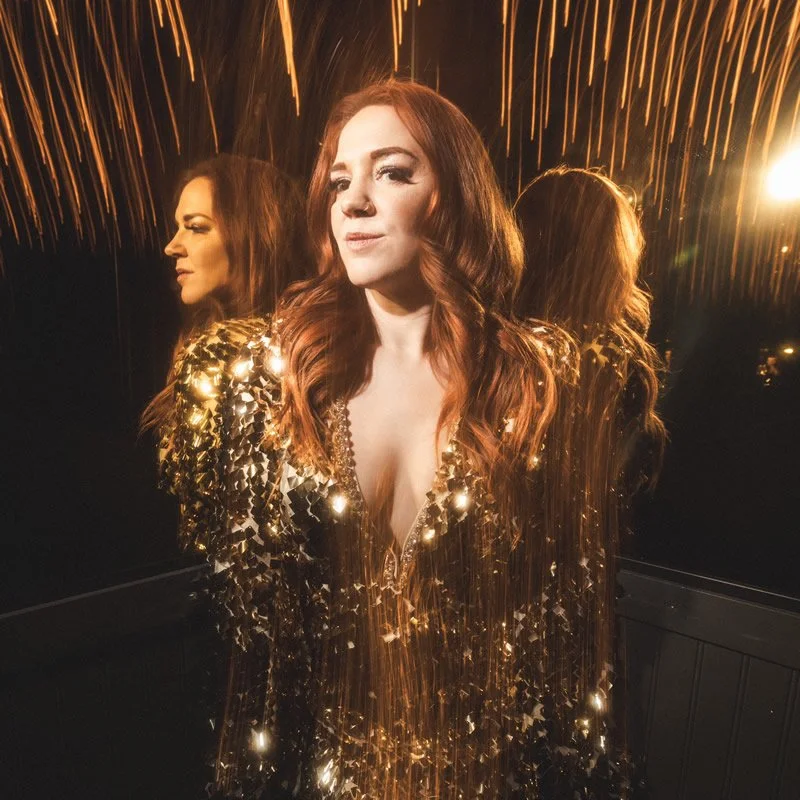
Talking of polish, Sarah Hester Ross is a genuine US superstar and an extraordinary live performer, combining huge cabaret vocals, razor-sharp musical comedy and the sort of fearless stage presence that makes a room feel slightly more exciting the moment she walks into it. Her new show, Serving C*nt, is part concert, part confessional and completely riotous, bringing together the viral songs that have earned her millions of followers with material about women’s rights, bodily autonomy and the general consequences of continuing to hand microphones to the wrong men. The moment I met Sarah, I immediately understood why she has built such a huge audience in the US. She is a phenomenal musician as well as a brilliant comedian, and this feels like a rare chance to catch somebody with proper international-star energy. Plus her wardrobe is to die for. When I think my outfit might be ‘too much’ , I remember Sarah and add another element - an inspiration.
Sam See’s Off With Your Head
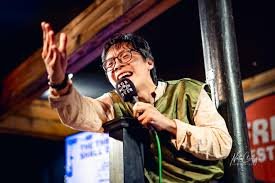
I absolutely love a comedy format, and Sam See's Off With Their Heads is exactly the sort of show I always end up evangelising about. It's essentially a tabletop game brought to life, with comedians taking on the role of rulers of a fictional universe and making increasingly questionable decisions with the audience helping to shape the fate of their civilisation. Every show is different, it's gloriously chaotic, and it's a brilliant reminder that comedy doesn't have to be somebody standing behind a microphone for an hour. You never know what’s going to happen. I was once in the audience for a show where Sam led a daring raid into John Robertson’s show in another building, replicating a Twitch raid in real life.
The Fringe is at its best when people are inventing new ways to make audiences laugh, and Off With Their Heads feels like exactly that. Sam See is an absolute powerhouse in terms of charisma and work ethic, so is worth checking out across the board but I have a lot of love for this specific show. And a show with a history element? Definitely need more of those…
Best in Class
One final recommendation is not for a single performer but for Best in Class, the compilation show created by Sian Davies, one of the hardest working people in comedy, built to give working-class comedians a route into a festival where the costs can make participation feel less like an artistic opportunity and more like an elaborate financial threat.
Compilation shows are always useful when you want to discover several acts in one slot, but this one also serves a larger purpose by creating a platform for voices which can be squeezed out before audiences ever get the chance to hear them. It is a strong way to begin a Fringe trip because you may leave with several entirely new names to follow, rather than relying on an algorithm which has understandably decided that the safest recommendation for everybody is James Acaster. They have a fantastic hit rate for acts going on to bigger stages so you’ll also get the ‘I saw them first’ credit as well as the warm glow of contributing to the dangerously diminishing flow of Working Class voices cutting through.
How to choose what to see at the Edinburgh Fringe
I am not going to tell you to abandon all planning, because accommodation already costs enough without adding the emotional expense of discovering your must-see show sold out yesterday. Book the things you would be genuinely upset to miss, then leave enough space for recommendations, accidents and whatever piece of paper somebody presses into your hand while you are trying to cross the Royal Mile.
See the known quantities you love, but take at least one proper risk. Go to a panel show, an experimental late-night event, a work in progress or a new play by somebody trying a different form. Listen when comedians recommend other comedians, because we spend an alarming amount of time watching one another and are generally very excited when somebody is doing something good.
Most importantly, do not turn the Fringe into an exercise in optimisation, as you will miss brilliant things if you don’t take the time to look up. The aim is not to construct the objectively perfect schedule but to come home with one or two shows you cannot stop talking about, ideally including at least one you only saw because somebody you trust became unreasonably evangelical about it.
Edinburgh has a habit of making fools of anyone who tries to produce a definitive list (approach the ones in the National press with a smidge of cynicism and an awareness of how much it costs to get a PR for Fringe and what that means for these lists). I'll publish this, immediately remember half a dozen people I've accidentally left out, then spend the rest of August recommending completely different shows to the ones above because somebody caught me in the Pleasance Courtyard at the wrong moment.
I've deliberately skipped over some of the obvious recommendations like Fringe legend Mark Watson, because I suspect you've already got them on your list, and this was never meant to be a league table – it’s simply a slightly chaotic snapshot of the people and shows I've found myself talking about recently, whether that's because they made me laugh, made me think, did something I've never seen before or just reminded me why I love spending every August in Edinburgh.
If you do end up seeing any of them, I hope you have as good a time as I did. And if you discover somebody brilliant who isn't on this list, come and tell me afterwards. I'm always looking for my next recommendation.
And don’t forget to see my show if you can. Did I mention I’m doing a show? It’s called Chief Petty Officer. xoxo
Not going to Edinburgh Fringe?
Don’t overlook Camden Fringe. Some of my favourite discoveries have happened there, and it's become a brilliant place to catch ambitious new work without the chaos of August in Scotland.
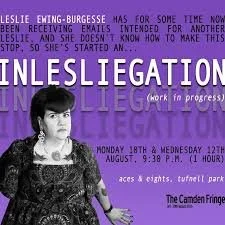
If you're looking for somewhere to start, I'd heartily recommend Leslie Ewing Burgesse's Inlesligation. Leslie has a wonderfully distinctive comic voice and an instinct for ideas that are just the right side of gloriously ridiculous, her latest show - an investigation into a woman inadvertently sharing her email address, is one of her best yet already, and still in work in progress stage.
Camden Fringe is exactly the sort of festival where shows like that get to flourish, so if you're craving that feeling of discovering something before everyone else starts talking about it, it's well worth a look. Leslie curates a fantastic programme at Aces & Eights, and oversees a fantastic space for trying new ideas - expect hidden gems and big names.